Book Appointment
Please fill the form below
Pressure Sore Surgery
Pressure sore surgery removes damaged tissue and repairs the affected area, promoting healing and restoring skin integrity.
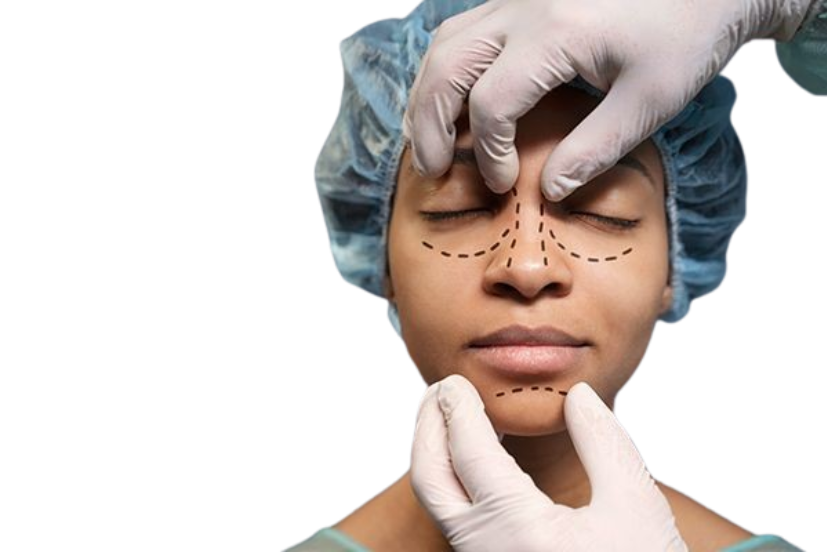
Pressure Sore Surgery in Vijayawada
Pressure Sore Surgery Cost in Vijayawada, India ranges from Rs. 50,000 to Rs. 3,00,000
Pressure sores, also known as bedsores or decubitus ulcers, develop due to prolonged pressure on the skin, often in bedridden or immobile patients. Pressure Sore Surgery at Pratap Hospital in Vijayawada helps close chronic, non-healing ulcers, restore skin integrity, and prevent further complications.
The surgery involves removing dead or infected tissue, closing the wound with sutures, and in some cases, using skin grafts or flap reconstruction for durable coverage. Our expert team ensures optimal healing and minimal recurrence.
Dr. Pratap Duggirala and his team provide personalized treatment plans for each patient, aiming for functional restoration, reduced infection risk, and improved quality of life.
When to Consider Pressure Sore Surgery?
- Chronic pressure sores that have not healed with conservative care.
- Deep ulcers involving muscles or bone (Stage III or IV pressure sores).
- Wounds with infection, necrotic tissue, or persistent drainage.
- Patients with pain, discomfort, or limited mobility due to sores.
- Individuals at high risk of complications from untreated pressure sores.
Surgical intervention is often the best solution for long-standing or complex sores to promote healing and prevent recurrence.
Ideal Candidates
- Patients with non-healing or recurring pressure sores.
- Individuals in good general health who can undergo surgery.
- Patients without severe systemic infections or uncontrolled medical conditions.
- Individuals committed to post-operative care and lifestyle adjustments to prevent recurrence.
Types of Pressure Sore Surgery
Depending on the size, depth, and location of the sore, Pratap Hospital employs various surgical techniques:
1. Debridement
Removal of dead, infected, or necrotic tissue to promote healing and reduce infection risk.
2. Primary Closure
Direct closure of smaller sores by suturing healthy surrounding tissue together.
3. Skin Grafting
Transplantation of healthy skin from a donor site to cover large wounds and facilitate healing.
4. Flap Reconstruction
Use of local, regional, or free flaps for coverage of deep or complex pressure sores, especially over bony prominences like sacrum, heels, or hips.
5. Vacuum-Assisted Closure (VAC)
Negative pressure therapy may be used before or after surgery to promote healing and manage drainage effectively.
Benefits of Pressure Sore Surgery
- Promotes rapid and effective healing.
- Reduces infection risk and associated complications.
- Restores skin and soft tissue integrity.
- Improves patient comfort and mobility.
- Minimizes recurrence with proper post-operative care.
Procedure
Pressure sore surgery is performed under general or regional anesthesia. The wound is carefully cleaned and debrided, followed by closure using the most suitable method—suturing, grafting, or flap reconstruction. Dressings, drains, and supportive measures are applied to optimize healing.
Inpatient/Outpatient
Most pressure sore surgeries require an inpatient stay to monitor healing, manage drains, and prevent infection. Hospitalization may range from a few days to one week depending on wound complexity.
Possible Side Effects
Temporary swelling, mild pain, redness, or bruising around the wound site. Some numbness or discomfort at donor sites for grafts or flaps may also occur.
Risks
Infection, delayed healing, graft or flap failure, recurrence of pressure sores, or minor scarring. Experienced surgical care reduces these risks significantly.
Recovery
Recovery time depends on wound size, location, and surgical technique. Most patients can resume light activity in 2–4 weeks. Full healing and return to normal mobility may take 6–8 weeks or longer for severe sores.
Aftercare
- Keep the surgical site clean and dry.
- Follow dressing change instructions meticulously.
- Avoid pressure on the surgical area using cushions or special mattresses.
- Take prescribed medications to manage pain and prevent infection.
- Attend all follow-up appointments for monitoring and suture removal.
- Maintain good nutrition and hydration to support healing.
- Encourage mobility and repositioning to prevent new sores.
Results
Surgery significantly improves healing, restores skin and soft tissue integrity, reduces pain, and prevents further complications. With proper care, recurrence of pressure sores can be minimized.
Pressure Sore Surgery Cost in Vijayawada
The cost of pressure sore surgery in Vijayawada ranges from Rs. 50,000 to Rs. 3,00,000 depending on the severity, size, location of the sore, surgical technique, and hospital stay.
FAQs About Pressure Sore Surgery in Vijayawada
When is pressure sore surgery needed?
It is needed for chronic, non-healing sores, especially Stage III or IV ulcers, that do not respond to conservative treatment.
Is pressure sore surgery painful?
General or regional anesthesia is used during the surgery. Post-operative pain is managed with medications.
Will the sores recur after surgery?
Recurrence is possible but can be minimized with proper wound care, repositioning, and lifestyle adjustments.
How long is the recovery period?
Recovery depends on wound size and procedure. Most patients resume light activity within 2–4 weeks, and complete healing may take 6–8 weeks or more.
What are the risks of pressure sore surgery?
Potential risks include infection, delayed healing, graft or flap failure, scarring, and rare complications related to anesthesia.
Book Your Consultation
Schedule your appointment with Pratap Hospital today.
Pratap Hospital
A trusted center for advanced plastic, cosmetic and reconstructive surgery delivering safe, ethical and natural-looking results.
Vijaya Lakshmi Colony, Mahanadu Rd, Auto Nagar, Kanuru, Andhra Pradesh 520007
+91 9492969899
support@prataphospital.com
Mon – Sat: 9:00 AM – 7:00 PM
Sunday: Closed